
Environmental Assessment Copilot

Project experienceLarge environmental and civil engineering firm

Accelerating environmental assessment reporting with an AI copilot.

An AI-powered document analysis and report-authoring system developed for a large environmental and civil engineering firm, with the goal of shortening report lead times and reducing the human effort involved in preparing environmental site assessments.

Applied AIDocument intelligenceTechnical reporting
Discuss an AI reporting workflow
Scanned site recordPhase I draft · editableIN REVIEWSite historyDRAFTObservationsEMPTYAssessor notes
Example interface
01

The challenge

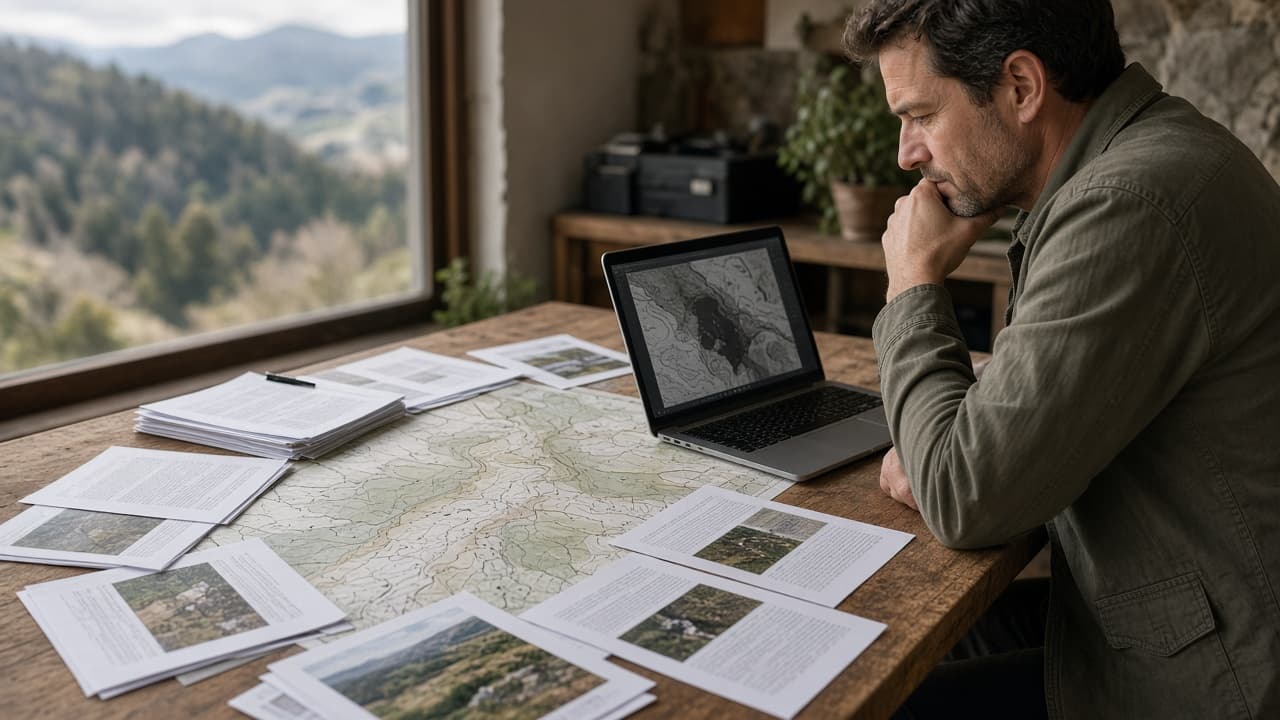
Environmental site assessment reports depend on careful interpretation of a substantial evidence base. Historical reports, scanned records, site maps, environmental datasets and regulatory information must be reviewed, reconciled and translated into a structured technical narrative.

For experienced assessors, the work is not simply finding a paragraph in a document. It involves understanding the history of a location, identifying relevant observations, connecting information across sources and deciding which findings belong in the report. Time spent searching, extracting and assembling that information extends the report-authoring process and consumes specialist capacity.

The firm's objective was to introduce AI into this preparation workflow while keeping professional judgement with the people responsible for the assessment. The system needed to do more than generate fluent text: it needed to work with difficult source material and support review of the resulting draft.

02

The solution

The work developed an internal copilot for Phase I Environmental Site Assessment preparation. It combined AI-assisted document interpretation, retrieval and report drafting with an interface where assessors could preview, edit and review the output.

Multimodal processing addressed scanned PDFs, maps and image-based records alongside text. Custom parsing and chunking organised the material for retrieval, while GPT-based analysis extracted relevant site history, contaminants and geographic references. Graph-based retrieval workflows connected entities and historical records to support analysis across the document collection.

The report-writing stage used structured prompts, validation and fallback handling to prepare technical sections for review. The browser interface brought prompt testing, report preview, feedback and inline editing into one workspace, supported by connections to internal systems and secure document storage.

03

Technical architecture

01

Document preparation

parsing, page and layout context, chunking and image-based analysis.

02

Intelligence layer

GPT-based interpretation, LangChain retrieval pipelines and LangGraph workflows linking relevant entities and records.

03

Generation layer

report-section prompts, chained processing, validation and fallback paths.

04

Application layer

React review interface with Node.js and Python services.

05

Integration layer

controlled access to internal source material and document storage.

01Collect02Parse03Extract04Retrieve05Draft06Review
Conceptual architecture
04

What the work enabled

The copilot brought evidence review and report preparation into a connected AI workflow. Assessors could work from a prepared draft and extracted context, with an editing and feedback interface, rather than treating every source document and report section as a separate manual task.

The commercial objective was to release specialist capacity from repetitive preparation and shorten the path from source collection to a review-ready report. Professional review remained part of the workflow; the model did not replace the assessor's responsibility for the final assessment.

05

Why it matters

This pattern applies wherever expert teams must turn large, inconsistent document collections into defensible technical output: engineering, environmental services, due diligence and other evidence-intensive professional work. The key is connecting document understanding, contextual retrieval and usable authoring tools within one operational system.

Discuss an AI reporting workflow

An AI-powered document analysis and report-authoring system developed for a large environmental and civil engineering firm, with the goal of shortening report lead times and reducing the human effort involved in preparing environmental site assessments.

Discuss an AI reporting workflow